
GIO PONTI & CANTÙ: A CLOSER LOOK AT THE FURNITURE THAT HELPED DEFINE MODERN ITALIAN DESIGN
07 April 2026
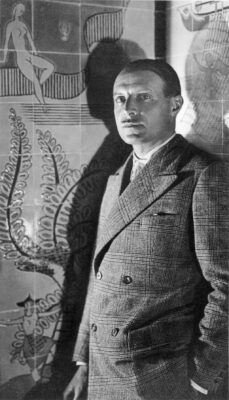
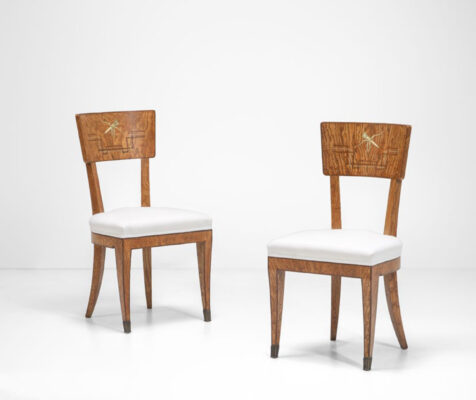
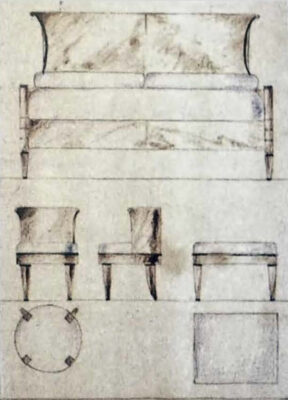
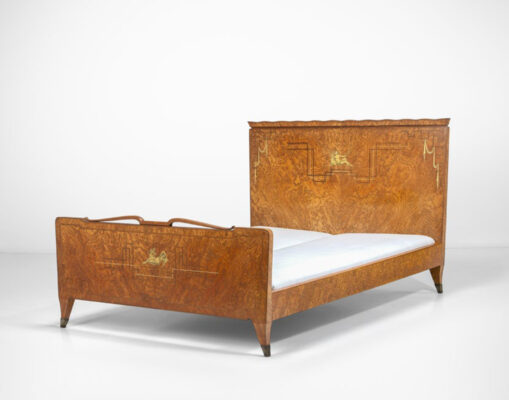
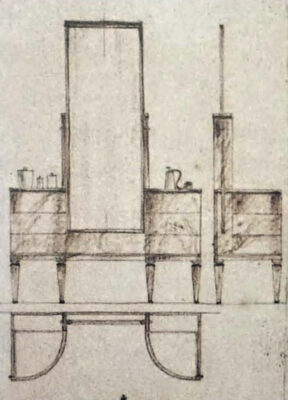
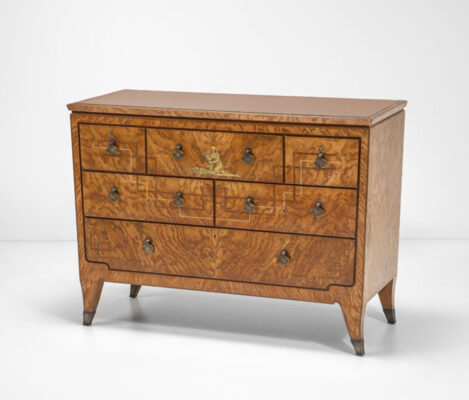
The creative partnership between Gio Ponti—one of Italy’s most influential designers and architects—and the skilled craftsmen of Paolo Lietti & Figli in Cantù was pivotal in the early development of Italian modern furniture. Beyond its cultural and historical importance, this collaboration produced specific furniture pieces that remain emblematic of Ponti’s early design language: elegant, well-proportioned, and intelligently crafted.
The Domus Nova Series: A Modern Vision Realized
At the heart of Ponti’s collaboration with Cantù was the Domus Nova project—a small-series furniture collection developed in the late 1920s and marketed through the Milan department store La Rinascente. Ponti’s aim was to offer well-designed, high-quality furniture for the modern, middle-class home—practical yet refined.
Among the pieces produced by Paolo Lietti & Figli for Domus Nova, several stand out for both their design clarity and craftsmanship:
1. Walnut Dresser (Comò)—1927/28
One of the most iconic pieces from this early collaboration is a walnut dresser—often paired with a mirror (specchiera)—designed by Gio Ponti and executed by the Paolo Lietti workshop, with the mirror crafted by Luigi Brusotti.
2. Matching Wardrobe (Armadio)—1927/28
Often found as part of a suite with the dresser and mirror, the wardrobe produced by Paolo Lietti & Figli stands as another superb example from this collaboration.
3. Complete Art Deco Set—1927/28
Some documented sets assembled during this period include not just the wardrobe and dresser but a mirror as well—all executed in matching walnut and bronze detailing.
Why These Pieces Matter
While Gio Ponti’s later furniture designs (from the 1950s onward)—like his iconic Superleggera chair—are widely celebrated, the early Cantù pieces represent a critical first step: they reveal a designer who was already thinking about how good design could improve everyday living. These works, finely executed by Paolo Lietti’s craftsmen, sit at a crossroads between traditional cabinetmaking and modern design. They embody Ponti’s desire to bring quality, practicality, and sophisticated aesthetics to a broader audience.
Today, these early Cantù pieces are not just collectible antiques; they are tangible markers of a foundational moment in Italian design—when a visionary designer and a master woodworking workshop together helped shape a new way of living.