
GIO PONTI AND CANTÙ: WHEN MODERN DESIGN MET MASTER CRAFTSMANSHIP
07 April 2026
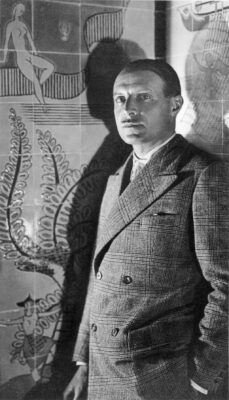
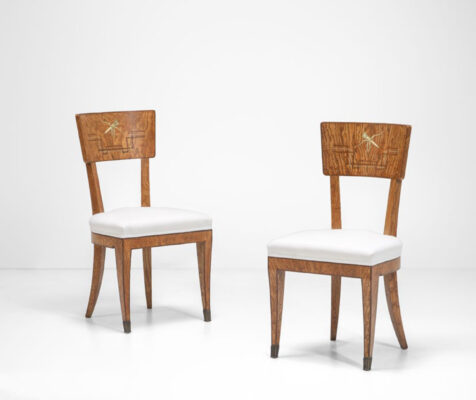
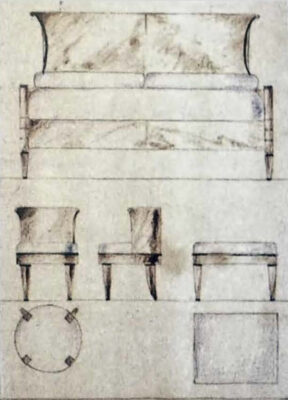
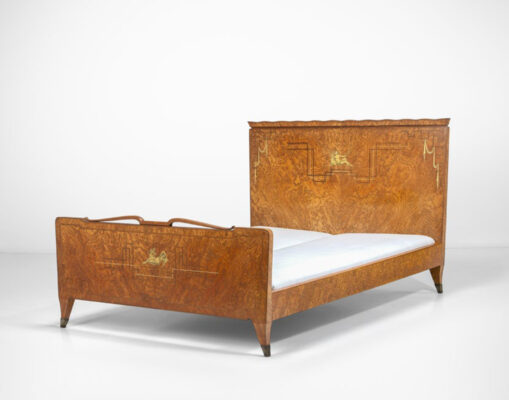
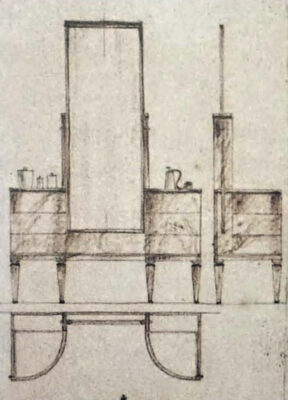
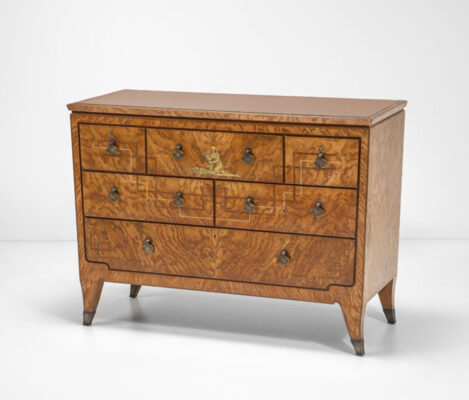
In the story of 20th-century Italian design, few figures loom as large as Gio Ponti (1891–1979): architect, designer, editor, and cultural catalyst. Ponti helped define an Italian approach to design—one that balanced modernity with refined craftsmanship and practicality with artistic flair. While his name is often linked to iconic furniture manufacturers like Cassina or to architectural landmarks such as the Pirelli Tower, one of the earliest and most influential chapters of his career was written in collaboration with the furniture makers of Cantù, particularly the historic workshop Paolo Lietti & Figli in the late 1920s.
Nestled in Brianza—a region north of Milan long celebrated for its woodworking tradition—Cantù was, by the early 20th century, one of Italy’s most important centers for furniture production. It was here that Pontifound the technical expertise he needed to realize his vision for modern living spaces. Starting in 1923, his collaboration with Paolo Lietti & Figli blossomed, becoming the cornerstone of nearly a decade of work together.
For Ponti, Cantù was more than a manufacturing hub. It was a laboratory where craftsmanship met innovation. The Lietti workshop was renowned for its precision joinery and fine materials—qualities that suited Ponti’s emerging design language perfectly. He was intent on breaking with overly ornate, historicist furniture and proposing pieces that were well-drawn, practical, and suited to modern homes—a philosophy he articulated through his influential magazine Domus and his designs for the Domus Novaline, sold through La Rinascente department store starting in 1928.
Under Ponti’s direction, the Paolo Lietti workshop executed a range of pieces—from sumptuous wardrobes and dressers in walnut to elegantly proportioned cabinets—often in collaboration with other artisans like Luigi Brusotti for details such as mirrors and bronze fittings. These early works reflect a transitional moment in Italian design: they are rooted in fine craftsmanship yet point toward a modern aesthetic that would come to define Italian design in the decades to follow.
The collaboration between Ponti and Cantù’s artisans presaged a wider shift in the industry. It helped elevate the role of the designer as a creative and cultural force and foreshadowed the later development of design production in Italy—from small-series furniture in the 1930s to postwar industrial collaborations. Cantù itself became a hub for other leading designers, partly thanks to the precedent set by Ponti’s partnership.
Today, pieces from this period are prized not only as beautiful examples of early modern Italian design but also as tangible reminders of a pivotal alliance: where the creative ambition of a visionary like Gio Ponti met the refined skill of Cantù’s woodworkers, resulting in furniture that still resonates nearly a century later.